بيان صحفي: اليوم الدولي لصحة النبات 2026 يسلط الضوء على الأمن البيولوجي النباتي باعتباره أساسًا للأمن الغذائي العالمي
Posted on ثلاثاء, 12 مايو 2026, 12:26
© FAO/ Mutya Frio
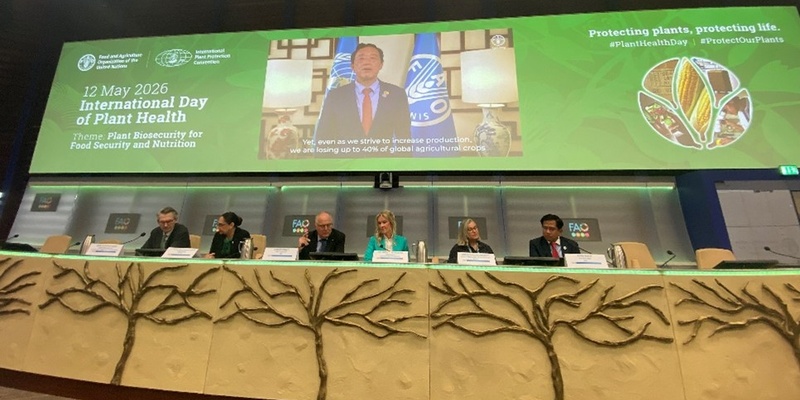
روما، 12 مايو 2026 - تُحيي منظمة الأغذية والزراعة للأمم المتحدة (المنظمة) اليوم الدولي لصحة النبات بفعالية رفيعة المستوى ومعارض تفاعلية في مقرها الرئيسي بروما، مُسلطةً الضوء على الدور المحوري للأمن الحيوي النباتي في ضمان الأمن الغذائي والتغذية والتجارة الآمنة وحماية البيئة. يُحتفل باليوم الدولي لصحة النبات، الذي تنظمه الاتفاقية الدولية لوقاية النباتات، سنويًا في 12 مايو لرفع مستوى الوعي العالمي بأهمية صحة النبات، ولتشجيع الإجراءات التي تحمي النباتات والإنسان وكوكب الأرض. يستند هذا اليوم، الذي أقرته الجمعية العامة للأمم المتحدة عام 2022، إلى زخم السنة الدولية لصحة النبات (2020)، ويستجيب لتحدٍ عالمي متزايد: حيث تُفقد ما يصل إلى 40٪ من المحاصيل الغذائية سنويًا بسبب آفات وأمراض النبات، مما يُسبب خسائر في المحاصيل تتجاوز 220 مليار دولار أمريكي. ونظرًا لأن النباتات تُوفر 80٪ من الغذاء 98٪ من الأكسجين الذي نتنفس، فإن حماية صحة النبات أمرٌ ضروري لاستدامة الحياة على كوكب الأرض. يُسلّط موضوع هذا العام، "الأمن الحيوي النباتي من أجل الأمن الغذائي والتغذية"، الضوء على دور أنظمة الأمن الحيوي القوية في منع دخول الآفات الضارة والأمراض والأنواع الغازية أو انتشارها عبر الحدود، وبالتالي حماية النظم الزراعية الغذائية، والحفاظ على التنوع البيولوجي، ودعم سبل العيش المستدامة. وتُعرّف منظمة الأغذية والزراعة (المنظمة) الأمن الحيوي النباتي بأنه نهج استراتيجي متكامل لتحليل وإدارة المخاطر ذات الصلة بصحة الإنسان والحيوان والبنات. دعوة عالمية لتعزيز أنظمة صحة النبات صرح المدير العام للمنظمة، QU Dongyu، في رسالة مصورة: "تتطلب حماية صحة النبات نهجًا حكوميًا ومجتمعيًا شاملًا، مع مسؤولية مشتركة بين قطاعات الصناعة والنقل والباحثين والمزارعين والمستهلكين، مدعومًا بلوائح واضحة وتوعية وإنفاذ فعّال. يُعدّ الاستثمار في الأمن الحيوي النباتي خيارًا عمليًا، فهو يدعم الأمن الغذائي، ويحمي التجارة، ويعزز المرونة الاقتصادية. وفي هذا اليوم الدولي لصحة النبات، أحثّ القادة على وضع صحة النبات في صميم استراتيجيات التنمية الوطنية". تم خلال الفعالية تسليط الضوء على دراسات حالة ناجحة في البرازيل والمكسيك والولايات المتحدة، بالإضافة إلى مبادرات البحث والابتكار من تحالف التنوع البيولوجي والمركز الدولي للزراعة الاستوائية (CIAT)، لإظهار كيف ساهمت أنظمة مراقبة الآفات والاستجابة لها بفعالية في حماية المحاصيل القيّمة والإمدادات الغذائية. وقالت Lynda Blanchard، سفيرة الولايات المتحدة لدى وكالات الأمم المتحدة: "إن إدارة آفات النباتات وأمراضها أمرٌ بالغ الصعوبة. تدعم الولايات المتحدة العلم لكي نعرف ما نقوم به، والابتكار لكي نحسن أداءنا. الولايات المتحدة منخرطة في هذا المجال على الصعيد الدولي، ومستعدة في الداخل". وأشارت Laura Elena Carrillo Cubillas، سفيرة المكسيك لدى وكالات الأمم المتحدة في روما، إلى أنه "في هذا اليوم الدولي لصحة النبات، تؤكد المكسيك مجدداً أن حماية صحة النبات أمرٌ أساسي لضمان نظم غذائية مغذية ومرنة ومتاحة للجميع". وأكدت Tatiana Gomes Bustamante، نائبة المندوب الدائم للبرازيل لدى منظمة الأغذية والزراعة (المنظمة) والصندوق الدولي للتنمية الزراعية (IFAD) وبرنامج الأغذية العالمي (WFP)، على قناعة Qu بأن صحة النبات مسؤولية مشتركة. قال Bustamante: "يتطلب الأمر تعاوناً عابراً للحدود، فضلاً عن التنسيق بين الحكومات والمنتجين والباحثين والمنظمات الدولية". وأكد Yurdi Yasmi، مدير قسم الإنتاج ووقاية النباتات في منظمة الأغذية والزراعة (المنظمة): "إن الدعوة القوية للعمل من قيادة المنظمة تُعدّ مصدر إلهام وحافزاً للحفاظ على الزخم، والابتكار، وتحقيق نتائج ملموسة في مجال حماية النباتات".
أكد Enrico Perotti، أمين الاتفاقية الدولية لوقاية النباتات، في كلمته الختامية، على ضرورة تجاوز الاهتمام بصحة النباتات من مجرد نقاشات سياسية، والتحول إلى إجراءات عملية ملموسة على أرض الواقع. وأشار إلى أن ما يصل إلى 40% من الإنتاج الزراعي العالمي يُفقد سنوياً بسبب الآفات والأمراض، مما يُلحق أضراراً جسيمة بمعيشة المزارعين، والأمن الغذائي، والبيئة. وقال: "في كل عام، تُدمر الآفات والأمراض جزءاً كبيراً من المحاصيل العالمية، مما يؤثر على المزارعين والأسر والنظم البيئية"، مؤكداً أن حماية صحة النباتات مسؤولية مشتركة. ودعا إلى تضافر الجهود - من صانعي السياسات إلى العلماء والمزارعين والمسافرين والمواطنين - لتحويل المعرفة إلى ممارسة عملية، وضمان حماية مستدامة للنظم الغذائية والبيئة والأجيال القادمة. وتحث منظمة الأغذية والزراعة الحكومات وشركاء التنمية والقطاع الخاص والجمهور على الاستثمار في مبادرات صحة النباتات، وتعزيز نظم الصحة النباتية، وتبني سلوكيات مسؤولة تحد من انتشار الآفات والأمراض. يُعدّ الحفاظ على صحة النباتات أمرًا أساسيًا لتحقيق أهداف منظمة الأغذية والزراعة (المنظمة) الأربعة: إنتاج أفضل، وتغذية أفضل، وبيئة أفضل، وحياة أفضل، ولإنشاء أنظمة غذائية زراعية مرنة قادرة على إطعام سكان العالم المتزايد عددهم. معارض تفاعلية: التعلّم بالممارسة في الفترة من 12 إلى 14 مايو، تستضيف المنظمة معرضًا من ثلاثة أجزاء في بهو مقرها الرئيسي، مصممًا لإشراك الموظفين والزوار في تجارب عملية حول صحة النباتات: محاكاة إجراءات التفتيش الأمني في المطارات - توضح مخاطر نقل الفواكه والبذور والمنتجات النباتية عبر الحدود، وتستعرض حملات مثل حملة "لا تُخاطر" التابعة للمنظمة الأوروبية والمتوسطية لوقاية النباتات (EPPO)، وحملة #PlantHealth4Life التابعة للهيئة الأوروبية لسلامة الأغذية .(EFSA) عمل المنظمة - تسلط الضوء على أهمية ختم المعيار الدولي لتدابير الصحة النباتية رقم 15 (ISPM 15)، وجهود المنظمة في مكافحة الآفات العابرة للحدود، ودور المعايير الدولية لتدابير الصحة النباتية (ISPMs) في التجارة الآمنة. كلاب الكشف الإيطالية - من أبرز الفعاليات التي عُرضت سابقًا في معرض الفاو "من البذور إلى الغذاء" وعادت هذا العام، عرضٌ يوضح طرقًا مبتكرة للكشف تساعد على منع دخول الآفات، قدّمته الهيئة الوطنية الإيطالية لعلم الكلاب (ENCI). بالتزامن مع ذلك، يستضيف مختبر الأغذية التابع لمتحف وشبكة المنظمة (MuNE) معرض "حماية الذرة، حماية الحياة"، الذي يُقام في الفترة من 27 أبريل إلى 13 مايو، ويضم قطعًا أثرية ثقافية حول زراعة الذرة واستهلاكها، مُعارة من المعهد الثقافي المكسيكي. وسيُقام عرض طهي يقدمه طاهٍ مكسيكي عقب هذا الحدث رفيع المستوى في 12 مايو. للتواصل الإعلامي: Mutya Frio أخصائية الاتصالات الاستراتيجية الاتفاقية الدولية لوقاية النباتات [email protected] نبذة عن المنظمة منظمة الأغذية والزراعة (المنظمة) هي وكالة متخصصة تابعة للأمم المتحدة، تقود الجهود الدولية للقضاء على الجوع. تهدف المنظمة إلى تحقيق الأمن الغذائي للجميع، وضمان حصول الناس بانتظام على غذاء كافٍ وعالي الجودة لعيش حياة نشطة وصحية. تعمل منظمة الأغذية والزراعة على تطوير النظم الغذائية الزراعية من خلال تعزيز الإنتاج والاستهلاك المستدامين، بما في ذلك حماية النباتات العالمية لتحقيق الأمن الغذائي العالمي. وتعمل في أكثر من 130 دولة حول العالم، ولديها 195 عضوًا - 194 دولة والاتحاد الأوروبي. نبذة عن الاتفاقية الدولية لوقاية النباتات الاتفاقية الدولية لوقاية النباتات هي معاهدة دولية صادقت عليها 185 دولة، تهدف إلى حماية الموارد النباتية العالمية من انتشار الآفات ودخولها، وتعزيز التجارة الآمنة. وتساعد المعايير الدولية لتدابير الصحة النباتية، التي وُضعت تحت رعاية الاتفاقية، الدول على تطبيق معايير الصحة النباتية الوطنية ومتطلبات الاستيراد. وتُعدّ الاتفاقية الدولية لوقاية النباتات، المودعة لدى المنظمة، الجهة العالمية الوحيدة المسؤولة عن وضع المعايير المتعلقة بصحة النبات.