Posted on Wed, 25 Mar 2026, 07:11
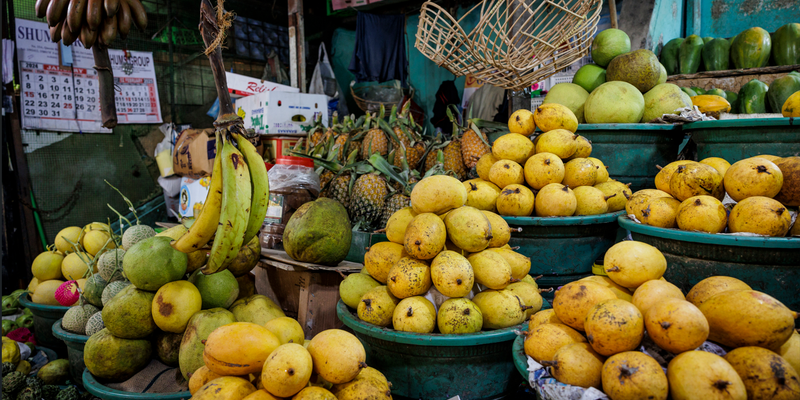
© FAO / David Blacker
The Commission on Phytosanitary Measures (CPM) approved the first-ever annex to a commodity standard, focusing on the “International movement of fresh mango
Rome, 24 March 2026 — The International Plant Protection Convention (IPPC) Secretariat and its Technical Panel on Commodity Standards (TPCS), have called on IPPC contracting parties to actively participate in the development of commodity and pathway-specific standards— also called next generation IPPC standards. Developed under the aegis of the TPCS, these standards aim to promote harmonized and technically justified phytosanitary measures for specific commodities, with the ultimate goal of facilitating market access and ensuring safe trade in plants and plant products.
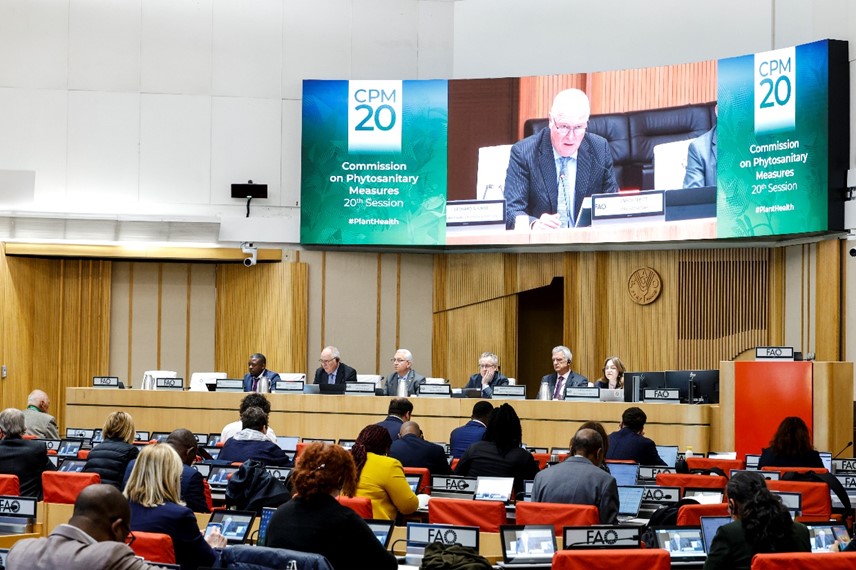
At a side session titled “Navigating new frontiers: Understanding and contributing to IPPC commodity specific standards for phytosanitary measures,” during the Twentieth Session of the Commission on Phytosanitary Measures (CPM-20), held from 9-13 March in Rome, the IPPC Secretariat, TPCS members and other panelists illustrated how countries can shape and apply commodity standards to protect plant health and enable safe trade. Presentations focused on describing the IPPC process of developing commodity standards; their benefits and principles; and the European Union’s perspective. Presenters also emphasized the role of the TPCS in ensuring transparency, scientific rigor and harmonization across commodity standards.
“Today’s discussion represents a significant opportunity in our collaborative efforts to strengthen global phytosanitary systems and to better respond to the increasing movement of plants and plant products worldwide”, said Enrico Perotti, IPPC Secretary.
He emphasised that commodity standards draw on established practices and regulations, giving national plant protection organizations (NPPOs) an internationally reviewed, practical foundation for pest risk analysis and for selecting measures suited to national needs, without creating new obligations or limiting a country’s sovereign right to regulate pests based on its own analysis and legislation.

©FAO/ Giuseppe Carotenuto
A strategic approach towards phytosanitary excellence
As recalled by Sam Bishop, CPM-20 Chairperson and former TPCS steward, advancing commodity-specific International Standards for Phytosanitary Measures (ISPMs) is a Development Agenda Item of the IPPC Strategic Framework 2020–2030, focusing on how the standards can prevent pest spread and reduce plant biosecurity risks. The standards are developed as annexes to ISPM 46- Commodity-specific standards for phytosanitary measures. CPM-19 approved its first-ever annex in 2025, “international movement of fresh mango (Mangifera indica)”. By 2028, six commodity standards are expected to be adopted, with their implementation supported by existing and forthcoming diagnostic protocols and phytosanitary treatments.
In her presentation, Lihong Zhu, TPCS member from the NPPO of New Zealand, clarified that commodity standards serve as guidance to support bilateral negotiations between NPPOs, by providing non-exhaustive lists of pests associated with specific commodities and options for technically justified phytosanitary measures to manage them. While explaining the IPPC standard-setting process, Marina Martino from the IPPC Secretariat encouraged NPPOs and regional plant protection organizations (RPPOs) to be actively involved by submitting proposals through the Call for Topics for new commodity standards. NPPOs and RPPOs were also urged to contribute essential technical data through the Call for Information on specific commodity standards, and provide comments on draft commodity standards during IPPC consultations.
Other speakers included André Felipe C. P. da Silva- NPPO of Brazil and Steward of two commodity standards. He illustrated how well-prepared submissions can streamline the drafting process, described the technical information needed and offered practical guidance on navigating the compilation process effectively. To further elaborate the value of commodity standards, Leonard Shumbe, European Commission Policy Officer, shared the EU’s experience in implementing commodity risk assessments for importation of high-risk plants.
In closing the session, Sophie Peterson, Chair of the IPPC Standards Committee, renewed the call for continued engagement, with particular emphasis on the submission of technical data to support the development of commodity standards, while noting the limited implementation experience among countries.
Advancing commodity standards development
During its plenary discussions, CPM-20 endorsed a proposal to hold a global IPPC workshop on commodity-specific standards, to be co-sponsored by the Asia and Pacific Plant Protection Commission 2027. Avetik Nersisyan, Team Lead of the IPPC’s Standard Setting Unit, highlighted the workshop as a key future step for the IPPC and the TPCS. It will focus on deepening understanding of how commodity standards are developed and applied, addressing emerging issues, and raising global awareness of their role in facilitating safe trade.