
全球植物健康领导者在CPM-20大会上推进标准制定、创新与数字贸易
Posted on Wed, 18 Mar 2026, 08:29
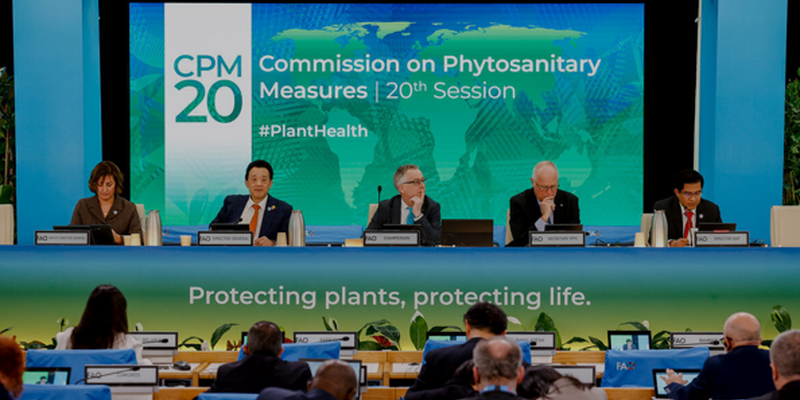
CPM-20大会于上周在罗马举行,粮农组织总干事屈冬玉主持开幕式。大会旨在评估全球植物健康状况,以及为保护作物、促进安全贸易所采取的相关行动。©粮农组织 / Giuseppe Carotenuto
罗马,2026年3月17日。植物检疫措施委员会第二十届会议(下称“CPM-20大会”)上周圆满闭幕。各国政府及植物健康领域领导者重申,将在国际植物保护公约(下称“IPPC”)框架下,致力于保护全球植物资源、促进安全贸易并加强国际合作。
本届会议共有300余名代表线下参会。CPM-20大会听取了各治理机构的最新情况,审议了《IPPC战略框架2020–2030》进展,并就新兴植物检疫问题展开讨论。
粮农组织总干事屈冬玉强调了植检委与粮农组织在实现粮农组织“四个更好”目标方面的共同努力,并呼吁各位代表在国际贸易扩大、有害生物跨境传播风险上升的大背景下,保持警惕,并充分利用创新手段。粮农组织副总干事Beth Bechdol指出,植物健康是支撑粮食安全与经济韧性的战略性政策重点,同时也是推动创新惠及农民的重要基础。在粮农组织总部同期举办的IPPC植物健康创新博览会及海报展示活动为各类实践方案、科研成果与合作伙伴关系搭建了舞台,呈现了全球植检体系如何得到加强。
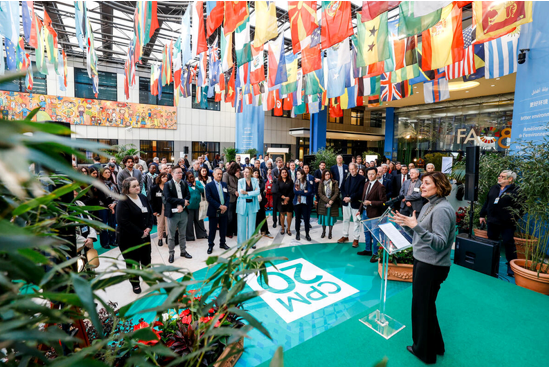
粮农组织副总干事Beth Bechdol在CPM-20大会期间举办的IPPC植物健康创新博览会上致开幕辞。©粮农组织 / Giuseppe Carotenuto
大会通过若干标准
大会通过了对国际植物检疫措施标准(下称“ISPM标准”)第26号有关实蝇非疫区内容的技术性修订。与此同时,大会通过了ISPM标准第23号《检验准则》附件中关于田间检验的修订文本,明确了其适用范围,并确认未设定检测要求并不意味着其重要性有所降低。
此外,大会还通过了ISPM标准第28号中有关限定有害生物植物检疫处理的附件修订,特别是针对南洋臀纹粉蚧(Planococcus lilacinus)、木瓜蚧壳虫(Paracoccus marginatus)和榕树粉蚧(Pseudococcus baliteus)的辐照处理。CPM-20大会还注意到,标准委员会代表植检委通过了两项作为ISPM标准第27号附件的诊断规程,即针对苹果根结线虫(Meloidogyne mali)的诊断规程第35号和针对马铃薯纺锤形块茎类病毒属(Pospiviroid)的诊断规程第36号。
粮食与人道主义援助安全提供离不开植物健康
CPM-20大会科学专题会议强调了“避免造成危害”原则,以及在人道主义援助中加强准备、协调和健全植物检疫体系的重要性。来自各国政府、粮农组织、国际食品法典委员会及区域组织的发言人指出,植物检疫措施并非阻碍援助,而是保障粮食安全的重要手段,并呼吁继续加强国际合作,推动制定有关安全援助的ISPM标准,强调ISPM标准不是障碍,而是粮食安全的促进因素。
“非洲植物检疫计划”
大会听取了“非洲植物检疫计划”(下称“APP计划”)进展汇报,指出其试点阶段已取得成功,第二阶段工作现已启动,且国家层面的培训研讨会、调查工具以及与粮农组织和IPPC各项活动的统一工作均取得进展。IPPC秘书处在肯定现有资金支持的基础上指出,当前仍需要更多资源以支持第三阶段工作。此外,IPPC秘书处还提出了将该计划逐步转向区域主导并最终推广向全球的设想。大会讨论了不同的治理模式,并最终决定建立一个混合的治理架构,将“APP计划”指导小组与现有工作组相结合。与会代表还就小国能否公平参与提出关切,强调应确保所有缔约方均可获取“APP计划”相关工具,并对支持该计划的捐助方和合作伙伴表示感谢。
发展议程项目主要决策包括:
-
电子数据交换协调统一。大会注意到IPPC ePhyto解决方案作为全球贸易的一项关键工具仍在持续壮大——自2018年推出以来已有148个国家注册,每月收发约25万份证书。大会还就治理与可持续性措施达成一致,通过了标准化数字声明的变更管理流程以及全新的ePhyto治理机构职权范围,以提供战略监督并审查资金模式。
-
特定商品与运输渠道ISPM标准。大会注意到ISPM标准第46号商品标准草案的最新进展,并谈及了有关滥用的担忧,以及是否应将与运输渠道关联性较弱的有害生物纳入管控范围的问题,强调充分的技术依据和现有的保障措施必不可缺。大会同意在更广泛柑橘标准通过前维持鲜食橙相关工作,支持IPPC与亚洲及太平洋区域植物保护委员会(APPPC)于2027年联合举办全球商品标准研讨会,并鼓励各缔约方持续参与。
-
电子商务及邮政快递运输渠道管理。大会指出,当前形势下,电子商务贸易带来的植物检疫风险不断增加,因此同意启动电子商务及邮政快递运输渠道管理第二阶段工作(2026–2030)。此外,大会还批准了相关工作的路线图,并鼓励在国家和区域层面落实IPPC观察系统提出的建议。
-
第三方实体使用指南。大会注意到IPPC正在编制两项关于第三方实体使用指南——涵盖授权与审计相关内容,其中审计指南编制工作现已随着专家招募工作的启动拉开帷幕。大会对澳大利亚和加拿大提供的资金支持表示欢迎,并鼓励各缔约方参与2026年的专家招募工作。
-
全球有害生物灾情预警和响应系统(POARS)。该系统已从试点阶段转入运行阶段,相关进展包括2025年新发有害生物评估、全新的全球有害生物预警信息发布与月度报告机制,以及与“APP计划”等倡议的协同强化工作。大会对设立一个职责经扩展的新指导小组表示欢迎,鼓励缔约方申报新发有害生物,并指出未来工作将依赖可持续的资金支持。
-
气候变化与植物检疫议题。CPM-20大会标志着相关焦点小组任务完成,其成果包括各场网络研讨会的举办、技术资料的编制以及将气候变化纳入有害生物风险分析的建议。大会同意将相关工作纳入IPPC秘书处常规项目,要求扩大小组材料公开范围,并请求在2026年战略规划小组会议及CPM-21大会上提交一份清晰的工作整合计划。
-
全球植物检疫研究协调工作。焦点小组汇报了关于现有研究网络以及全球植检研究协调工作缺口的范围研究。尽管有代表意见建议探索低成本替代方案,大会仍同意延长该焦点小组的任务期限,以完成全球政策与研究框架提案的收尾工作,并制定实施相关计划,直至CPM-21大会(2027年)。
-
诊断实验室网络。大会指出对诊断实验室网络的初步评估已于2025年完成,并将由焦点小组在2026年6月首次线下会议上进行审议。大会强调应加强而非重复现有网络的建设工作,邀请缔约方提出意见,感谢南非提供的实物支持,并要求植检委主席团审查该小组的职权范围,同时在CPM-22大会(2028年)提交最终报告。