IPPC global workshop charts new path for Systems Approaches in plant health
Posted on Fri, 19 Dec 2025, 14:01
© FAO/ Cristina Arancibia
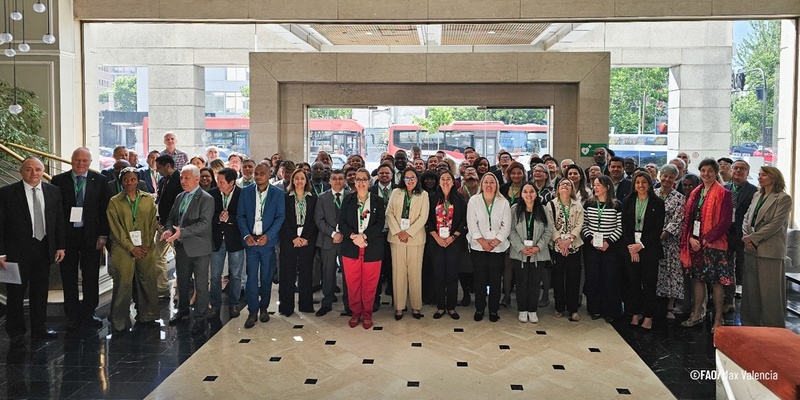
Santiago, Chile. 15 December 2025. The International Plant Protection Convention (IPPC) and its community successfully concluded the IPPC Global Workshop on Systems Approaches, held from December 1–4, 2025 to share experiences, clarify concepts and foster greater collaboration. Systems approach is a concept applied in the international trade of plants and plant products using a combination of different measures to protect plants from pests and keep plant products such as fruits, vegetables and grains safe when traded internationally.
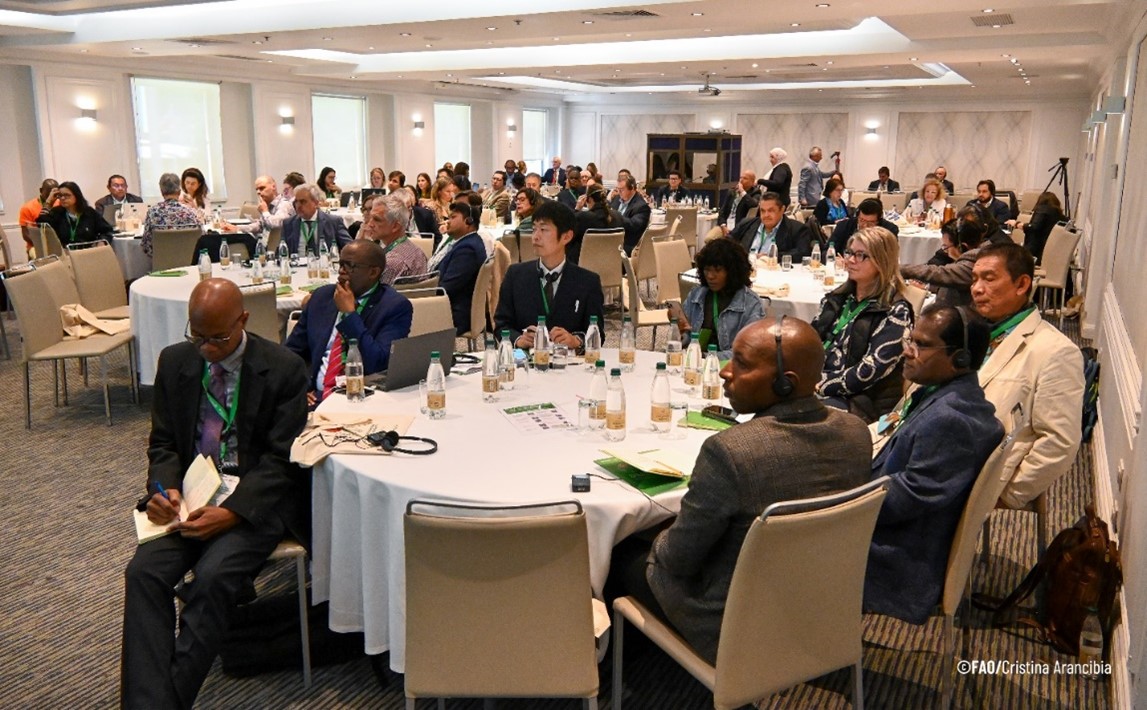
The workshop focused on enhancing the understanding and strengthening the implementation of International Standards for Phytosanitary Measures (ISPMs), which are essential for harmonizing global phytosanitary practices and facilitating safe agricultural trade. The event brought together 100 participants from 48 national plant protection organizations (NPPOs), two regional plant protection organizations, industry stakeholders and international organizations, and counted with over 20 case studies presented.
Participants engaged in in-depth discussions, group exercises and exchange of experiences to have a common understanding specifically on ISPM 14 which outlines the use of integrated measures in a systems approach for pest risk management, and on the use of the IPPC Systems Approach Assessment Tools.
The workshop provided an opportunity for NPPOs to share experiences on implementing and managing systems approaches, with various perspectives, highlighting the importance of evidence-based tools. This also paved the way to clarify concepts regarding IPPC standards and guidelines, and to determine if existing ISPMs and guidelines needed to be updated or revised.
The gathering also promoted coordination between IPPC and NPPOs to ensure a shared understanding of systems approaches and how to promote the concept with the private sector to ensure consistent and inclusive stakeholder engagement. Additionally, participants joined a side-event field trip to to a cherry farm to learn further about systems approaches in practice, organized by Frutas de Chile.
© FAO/Cristina Arancibia
Systems Approach as a pathway towards achieving the Sustainable Development Goals (SDGs)
Through the lens of interconnectedness, the Systems Approach emphasizes synergies of social, economic and environmental aspects in plant protection, ensuring that actions in one area support the progress in others. When a systems approach is applied to pest risk management in one ISPM such as ISPM 14, it creates a ripple effect towards integrated thinking in other ISPMs, promoting a coherent framework for managing pest risks across borders.
When trading plants and plant products internationally, Systems Approach uses a holistic view and considers the impact on biodiversity, the stability of global food supplies, the smooth flow of international trade and the steadiness of economies and livelihoods – key SDGs that the IPPC is working on to achieve.
The importance of the Systems Approach was evident with the high-level presence and participation of the Minister of Agriculture of Chile, H.E. Ignacia Fernandez Gatica and the FAO Assistant Director-General for Latin America and the Caribbean Rene Orellana.
“Chile has built, with great conviction, a reputation and a hallmark based on safety, traceability and phytosanitary standards, thanks to the work of the Agriculture and Livestock Service of Chile (SAG Chile)”, said H.E. Gatica. “Our country exports trust, and the role we fulfill as host of this international meeting is further proof of that”, she added.
Orellana noted, “The IPPC Global Workshop is essential for strengthening the Systems Approach, a key tool for managing pest risks in the international trade of plants and plant products. In a world where plants provide 80 percent of the calories we consume and 98 percent of the oxygen we breathe, advancing integrated approaches is not only a technical necessity but a global priority to protect plant health and ensure safe and sustainable agricultural trade”.
IPPC Secretary Enrico Perotti echoed the significance of the workshop, noting, “This is a critical step toward harmonizing phytosanitary measures globally. Through this Workshop, the IPPC is leading the way for countries all over the world to have a collective understanding of ISPM 14 guidelines and how these guidelines can best be implemented to safeguard food security, protect the environment and promote safe agricultural trade. By advancing systems approaches, we empower countries to maintain plant health while facilitating trade that is safe, sustainable and less restrictive”, he added.
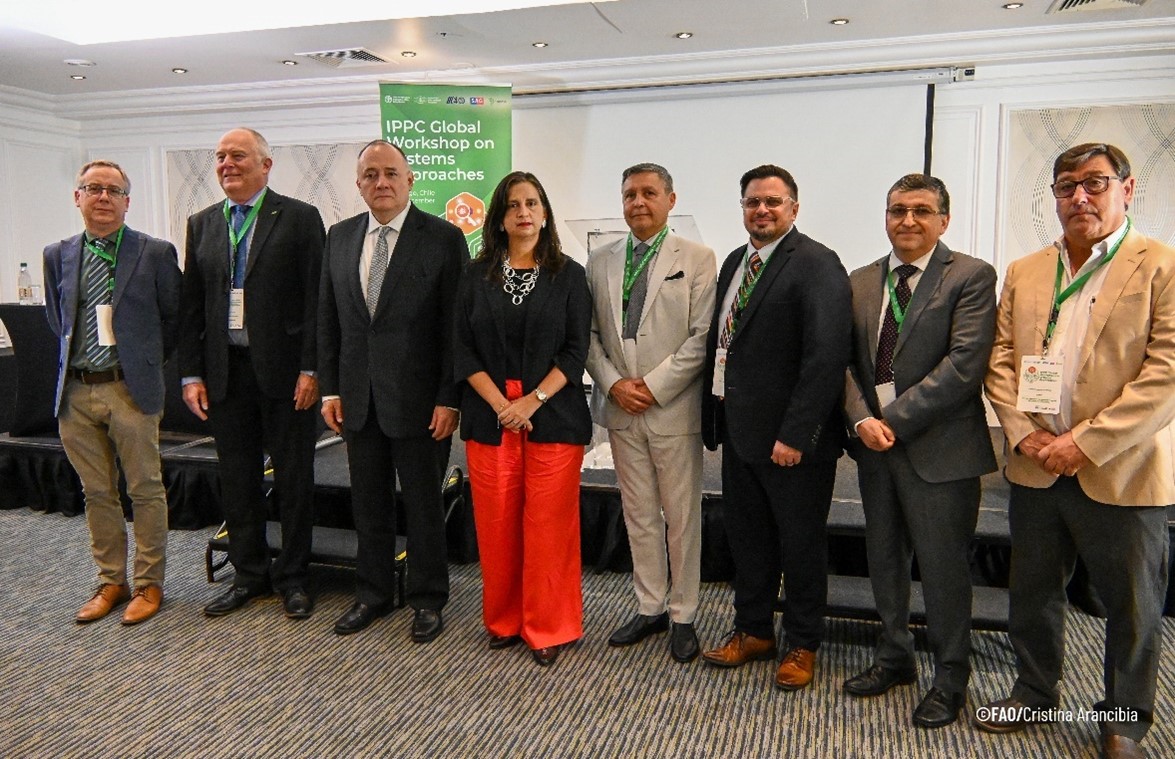
(L-R): CPM Chair Sam Bishop; IPPC Secretary Enrico Perotti; FAO ADG Rene Orellana; H.E. Ignacia Fernandez Gatica, Minister of Agriculture of Chile; Jose Urdaz, IICA; Marco Munoz Fuenzalida, SAG Chile; and Agustin Giudice, COSAVE President. © FAO/Cristina Arancibia
Looking ahead
Attendees shared recommendations to enhance understanding and implementation of systems approach, including:
- Clarify concepts by reviewing ISPM 14 and ensure consistency in definitions across ISPMs;
- Simplify ISPM 14 guidance and create user-friendly materials;
- Inform the work of the IPPC Observatory by collecting data, identifying gaps, and developing tools for systems approaches;
- Improve availability of efficacy data and invest in continuous training;
- Foster inclusive engagement between public and private sectors;
- Apply risk prioritization and electronic monitoring to streamline processes; and
- Explore integration of systems approaches into ISPM 46: Commodity standards.
The IPPC Secretariat, in collaboration with the CPM Bureau, will draft a paper for CPM-20 based on the workshop’s recommendations, paving the way for enhanced global cooperation and capacity development.
The workshop was co-organized by IPPC, the Inter-American Institute for Cooperation on Agriculture (IICA), the Agriculture and Livestock Service of Chile (SAG-Chile), and the Comité de Sanidad Vegetal del Cono Sur (COSAVE), with funding from the Government of Canada, the United States Department of Agriculture, and the Department of Agriculture, Fisheries and Forestry of Australia.
Related information: