
The IPPC Plant Health Campus is now fully available in Spanish, opening plant health learning to a global community
Posted on Fri, 10 Jul 2026, 07:20
© FAO/ Francisco Martinez
Rome, 8 July 2026 - A gap in access is a gap in capacity. For the professionals who protect the world's plants, language has been one of the barriers to quality education on plant health. The International Plant Protection Convention (IPPC) Secretariat has now taken a significant step towards closing that gap: the IPPC Plant Health Campus is fully available in Spanish, putting its entire offer of free, certified courses within reach of plant health professionals, institutions, students and partners across the Spanish-speaking world.
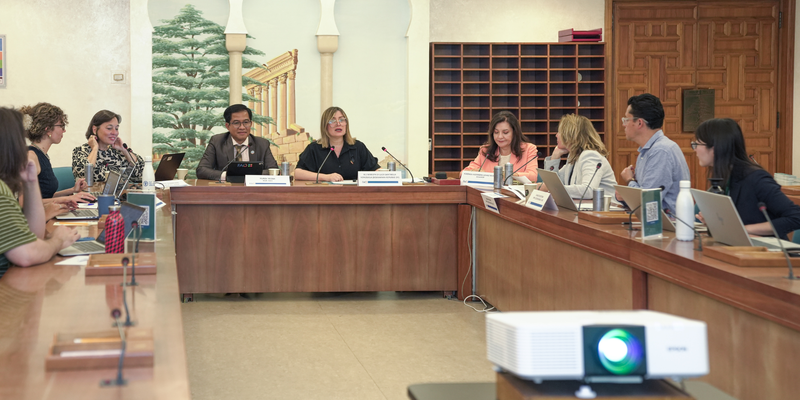
The launch was marked by a hybrid webinar - Ahora en español: descubra el Campus Fitosanitario de la CIPF y fortalezca sus conocimientos en sanidad vegetal - that drew strong response from the plant health community. More than 1 300 people expressed an interest in the event, with over 500 joining online and in-person to see the platform launch in Spanish.
Closing a gap to build capacity
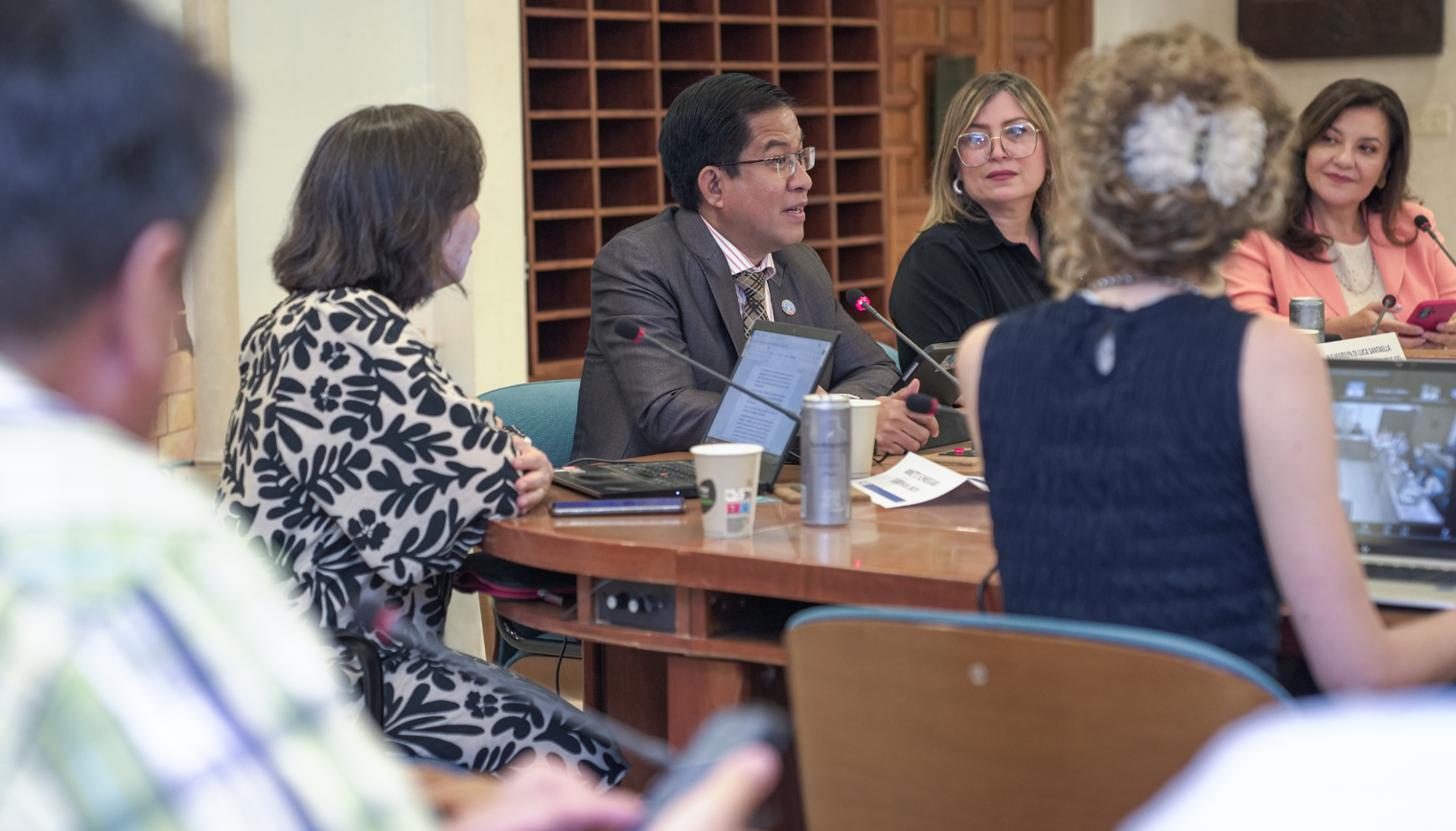
Opening the session, Yurdi Yasmi, Director of FAO's Plant Production and Protection Division, set out why this launch matters. Plant health, he noted, underpins food security, biodiversity, agrifood systems and safe trade. As countries face transboundary pests, a changing climate and the increasing movement of plants and plant products, the ability to turn knowledge into action depends on the strength of phytosanitary capacities. He described the Campus as a strategic resource, and its Spanish edition as proof of how international cooperation transforms knowledge into concrete capacity in the service of countries.
© FAO/ Francisco Martinez
An official language to FAO, Spanish is the world's second most spoken native language, with 636 million speakers in total, according to Spain's Instituto Cervantes. Opening the Campus to that community democratizes access, removing a barrier that had kept high-quality, standards-based training out of reach for many of the professionals who needed it.
Developed by the IPPC Secretariat with the FAO e-learning Academy and with financial support of the European Union, the Campus brings together certified courses, guides and tools that support the implementation of the IPPC and the International Standards for Phytosanitary Measures (ISPMs). Each course completed in Spanish is knowledge that travels onward into a national organization, a university, an inspection post - reaching far beyond the individual learner.
More than a learning platform
Annette Schneegans, Deputy Permanent Representative of the European Union to the United Nations Organizations in Rome, praised the expansion of the Campus’ reach and framed the Spanish edition also as a point of connection in diplomacy and cooperation between the European Union and the countries of Latin America and the Caribbean.
H.E. Marilyn Di Luca Santaella, Ambassador of the Bolivarian Republic of Venezuela to the Rome-based United Nations agencies, reflected on the Campus's relevance for the region, while Verónica Gómez, Deputy Permanent Representative of Ecuador, presented it as an important pilot initiative for the Rome's Group of Friends of the Spanish Language and its wider push for multilingual access to knowledge.
From courses to capacities at every level
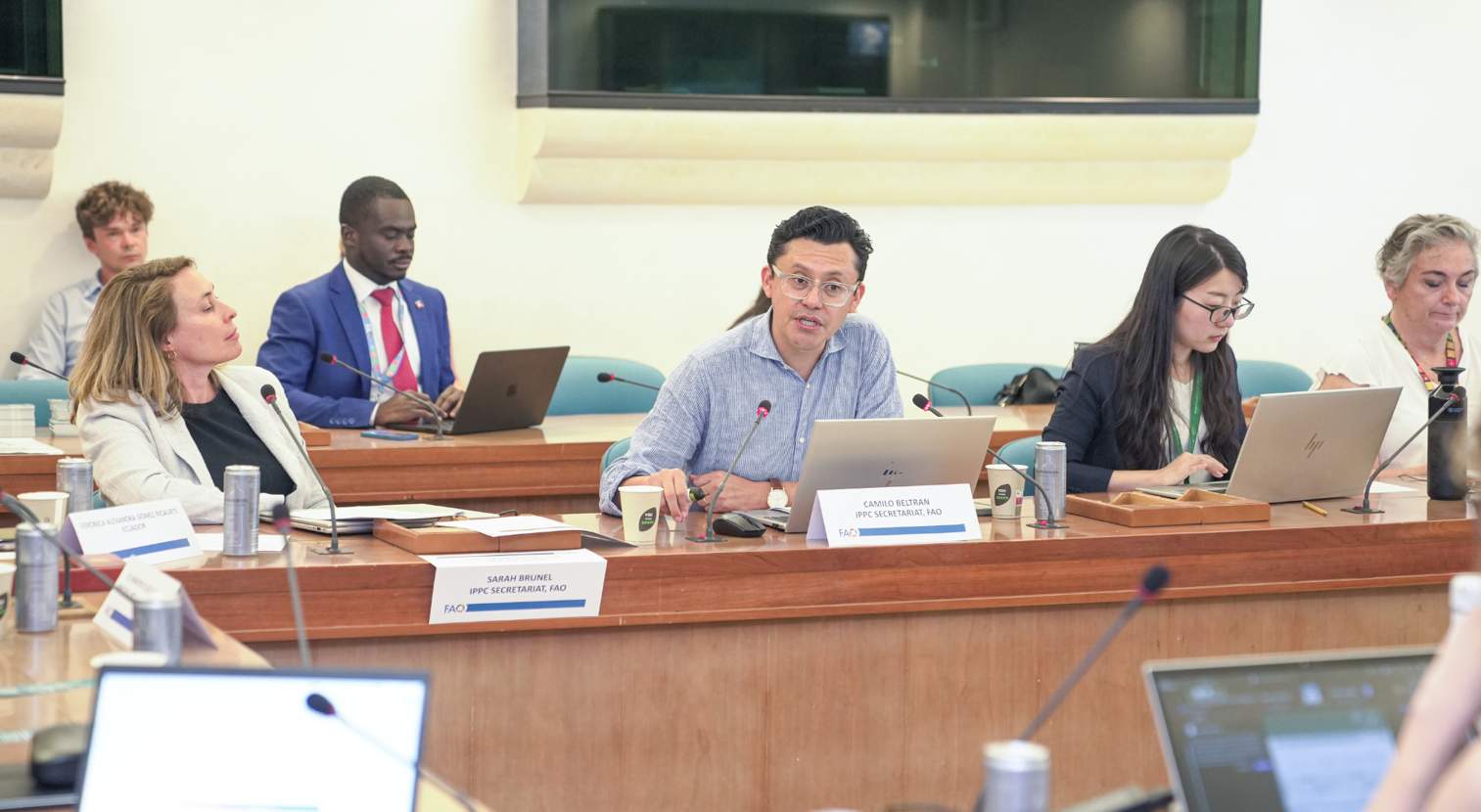
Camilo Beltran, Agriculture Officer in the IPPC Secretariat, took participants through the Campus, highlighting its offer of 16 e-learning courses and the learning paths that help users get the most out of the platform.
Speakers then showed it already at work across every level of the system: Xavier Isaac Euceda, speaking on behalf of the region’s three regional plant protection organizations (OIRSA, CAN and COSAVE) , on how they are building phytosanitary capacity through the platform; Francisco Gutierrez, of the Belize Agricultural Health Authority, on integrating it into national training programmes, saving costs and providing a global perspective to the National Plant Protection Organization staff; and Estela Yamileth Aguilar Álvarez, of the National University of Agriculture of Honduras, on bringing it into the university teaching and curricula.
The Campus is built for anyone involved or interested in plant health, at any stage of their journey. Closing the session, Isabel Rodríguez Tajada, of the FAO e-learning Academy, presented the Academy’s Global Youth Contest, which invites learners from 18 to 35 to share how the courses, with a special category for the Campus, have benefited them, with the most compelling stories earning their authors a trip to Rome for the World Food Forum flagship week in October, with the deadline for submissions by 31 July.
A Campus that keeps growing
The Spanish edition is one step in the Campus's continuing expansion in both courses and languages, and its value grows with every organization and individual that puts it to work. A growing number of national plant protection organizations and universities are already embedding Campus courses into their training plans and curricula, turning individual learning into institutional capacity.
The IPPC Secretariat encourages NPPOs and academic institutions to continue integrating the courses, because that is where the real work happens - a course completed becomes a skill applied, a stronger inspection, a better-prepared graduate, a more resilient national system, all contributing to safer trade, stronger food security and a protected environment.
Related information